Portfolio
Latest Job
Lead Asset Implementer
Notables
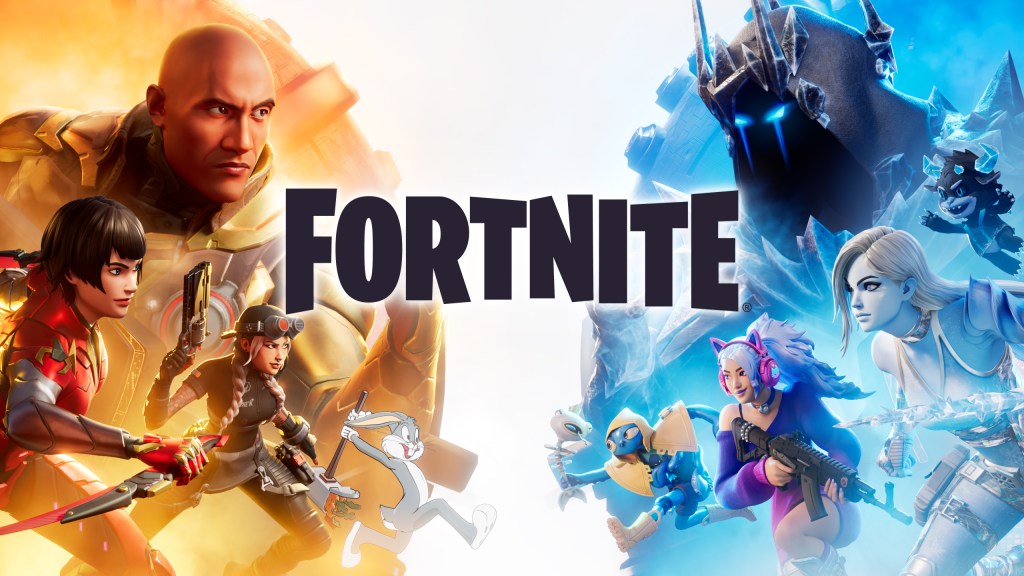
- Worked on Fortnite Battle Royale for 18 seasons over 3.5 years.
- Chapter 3: Season 4 ~ Chapter 7: Season 1
- Started out on contract, working my way up to Lead in 2.5 years.
- Was a part of the 1,000 people who were laid off in late March of 2026.
- As a Lead:
- Conversed regularly with Directors, Leads, and Production, owning spreadsheets and Miro boards to help track workflows and important information for implementation and how we intersect with other teams.
- Trained up the three additional Implementers and created new workflows that allowed Implementers to own asset sets (Pickaxe, Glider, Backpack, Emotes). This Allowed Artists to always know who was in charge of what.
- After a Reorganization in the company, oversaw shift from a “per asset” to “per build” workflow. This put every implementer in charge of all assets of a given season, cutting down the need of opening 6 builds a day down to 3, saving ~1.5 hours a day per implementer.
- This also made it easier, not just for artists on the Hard Surface Team, but for every discipline to know which Implementer to reach out to.
- Tackled higher level problems, such as tool planning/testing and systemic problems that required extensive bug fixes.
- As a Contractor:
- Started as the only person on Hard Surface Implementation: overseeing, testing, and implementing over 600~900 assets a year.
- Implemented artist work (meshes, materials, textures) into engine every season, hooking up assets into Data and BP setups.
- Created Blueprints and set up needed logic for cosmetics assets.
- Worked closely with Gameplay, FX, Tech art, and Tech Anim teams to guarantee a well-polished finished product.
- Identified and fixed bugs every season across all aspects of Hard Surface Gameplay and Cosmetics.
Lead Game Programmer

Knighty Night is a 3D, linear dungeon crawler where you play as a knight trying to escape the dark dungeon they have been trapped in. With ghosts barring your path you must defend yourself and defeat bosses with only your trusty sword and wits!
Notables
- Brought on two other programmers mid-development, walking them through script logic in the beginning and reviewing each others code regularly.
- Used Flyweight Structural design within UI allowing UI to work independently, while still able to be turned on and off by a MasterUI script.
- Traps and other non-player gameplay was made easily accessible and configurable by Designers by serializing private variables inside of Unity’s Inspector.
- Collaborated with Designers to create and program 5 Unique Bosses, each with their own sets of attacks that were tweaked and balanced by Level Designers.
- Worked closely with Animation, helping import and tween animations in-engine so that I could programmatically change animations that reflect Player Inputs and A.I. Behaviors
Programmer (Contract)

Back 2 School is a trivia game about graduating Primary School. Work your way from 1st grade all the way to 5th, each with 4 main subjects that you will be quizzed and graded on. Can you make your way through 5th grade and graduate?
Notables
- Built game for Android, PC, and XBox One.
- Incorporated third party SteamWorks.NET for Unity, to allow for publication to the steam store with achievements.
- Used Generic variables with Unity’s “ToJSON” functionality to handle saving and loading player data and pc settings.
- Used Flyweight Design Pattern to handle different UI menus through a master UI script, that switches between Menus.
- Used Unity’s TextMeshPro to create a typewriter effect on screen when players switch between menus.
Programmer
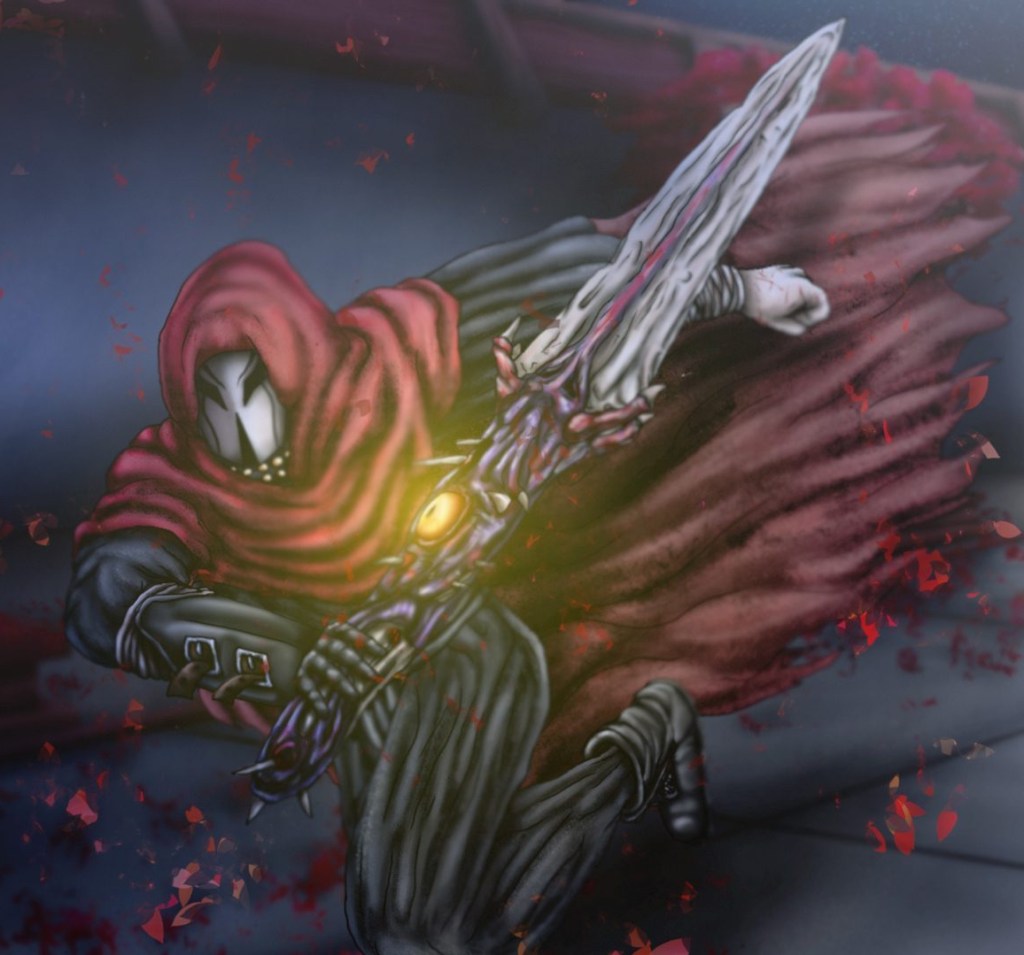
The Hand That Feeds is a 3D, hack-and-slash where you battle hordes of enemies trying to free yourself from a cursed sword. You must cut, dash, and combo your way through ominous, demon infested levels to reach victory.
Notables
- Created Hit-detection within combo animations, using a raycast coming from the players sword model, based on orientation of where the blade was pointing.
- Collaborated with multiple Animators and help design Multiple Special Attacks for player combos, to help promote differing play-styles in players.
- Used Unity’s Profiler to find and fix framerate issues.
- Helped fix tweening problems with animations not syncing up with player inputs in-engine, as well as hiccups in enemy AI behaviors.
Programmer

Crafting Quest is a puzzle game where you combine different elements together to uncover hidden elements in an attempt to find all combinations. It has a cartoon style that accentuates the light-hearted and sometimes comedic combinations you can discover.
Notables
- Gameplay ran off of a text document created by Game Designer.
- Used Regex to parse Text Document information.
- Used Unity “Preferences” Folder to house all sprites and prefabs alongside an Object Pool Pattern, so that populating the scene and finding combinations was easy to reference.
- During this project I developed an understanding of how to develop for Android mobile devices:
- Touch Inputs and how to fix correlating frame rate issues during touch raycasts.
- UI-based Gameplay and Navigation through touch inputs.
- Publishing to Google Play Store.
Programmer
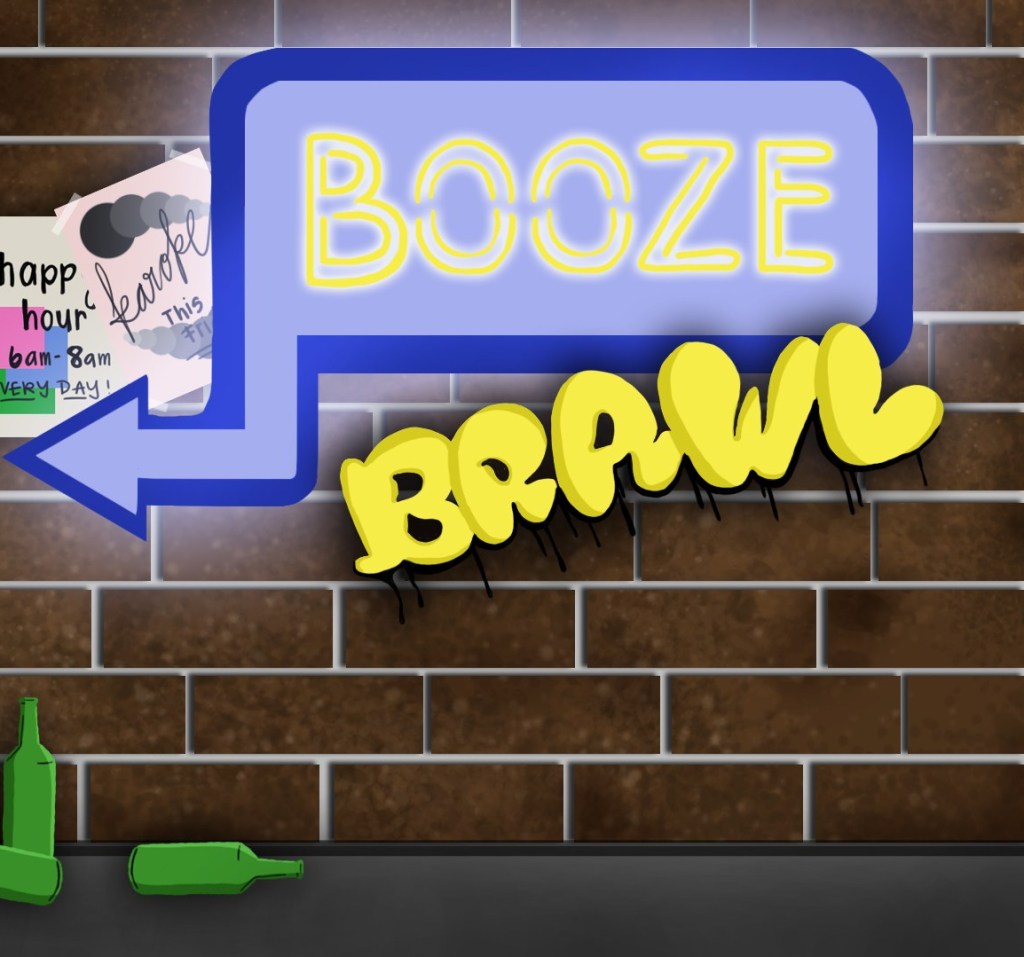
Booze Brawl was created with a team of 7 during the Chico State Local Game Jam, the theme being “Influence.”
In Booze Brawl you must fight for as long as you can against Bros while trying to have a fun night at the bar. The game’s main mechanic is fighting while drinking beer, which makes you stronger. The one drawback is that players lose control of the camera depending on how much they have had to drink. It is a simple yet fun first-person brawler that was fun to make with my friends.
Notables
- Designed a two-hand system, where players can control their in-game hands separately with the mouse buttons, which creates some crazy hijinks
- Created System where the random movement of the camera would talk to the “PlayerCamera” scripts so that, once the player has drank it would slowly ramp up the screen shake dependent on how much the player has had.
- Enemy AI was created to be reactive so that, if the player or another AI would hit them, their current targets would change, making for MORE mayhem the MORE you swing wildly.
 //Kyle Partlow